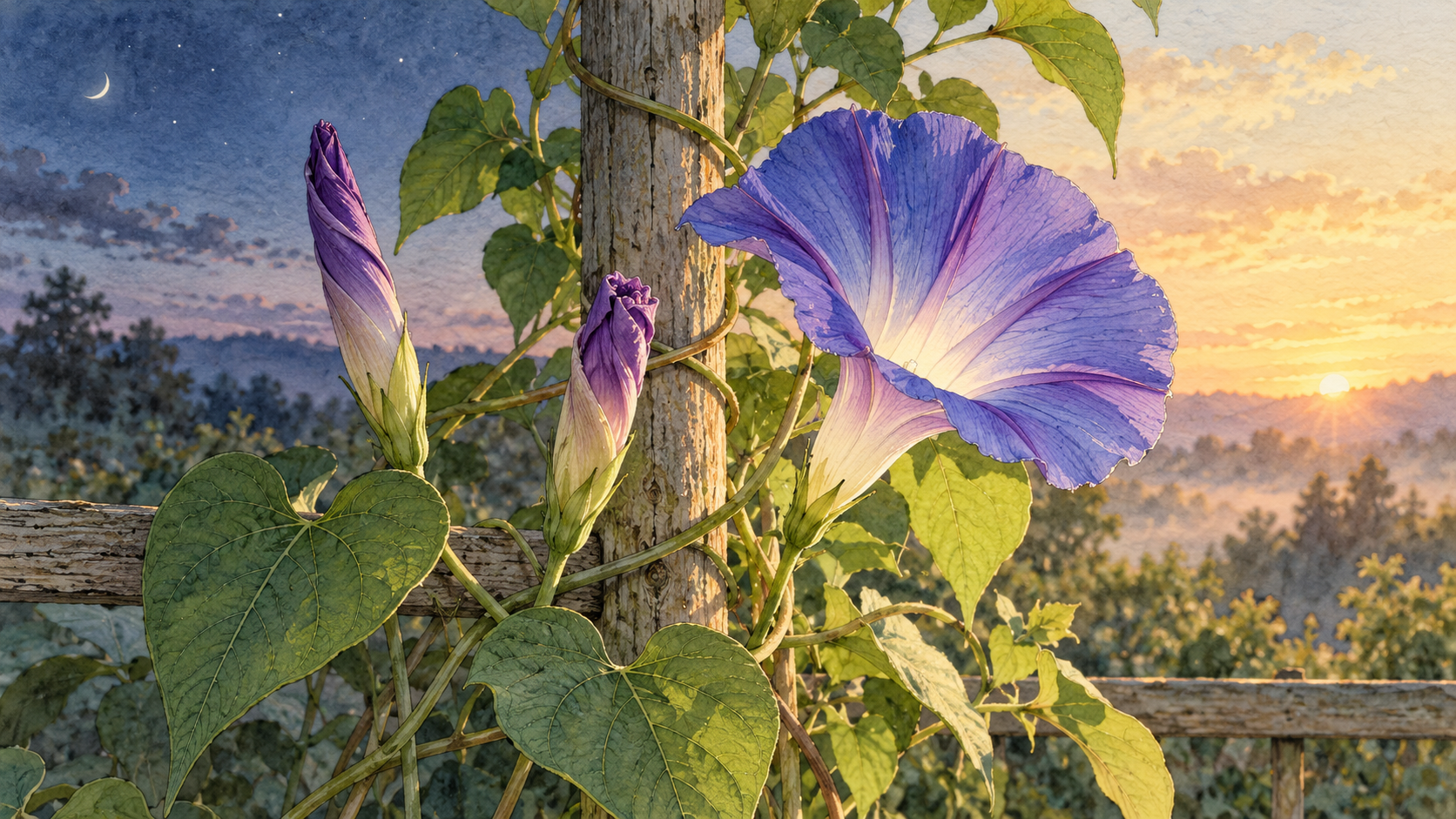
Why a flower opens at a particular hour
A bud's opening hour emerges from a daily internal rhythm meeting darkness, light, temperature and its stage of growth. The timing can also shape when pollinators find it.
About the author
I write about plants and the conditions that shape their lives. My interests include seeds, seasonal timing and the evidence behind growing advice, from controlled experiments to observations in a garden.
I build each essay around a concrete question, read the underlying sources and separate observed results from interpretation. I want the details to remain clear enough that a reader can follow the argument and examine the evidence.
A bud's opening hour emerges from a daily internal rhythm meeting darkness, light, temperature and its stage of growth. The timing can also shape when pollinators find it.
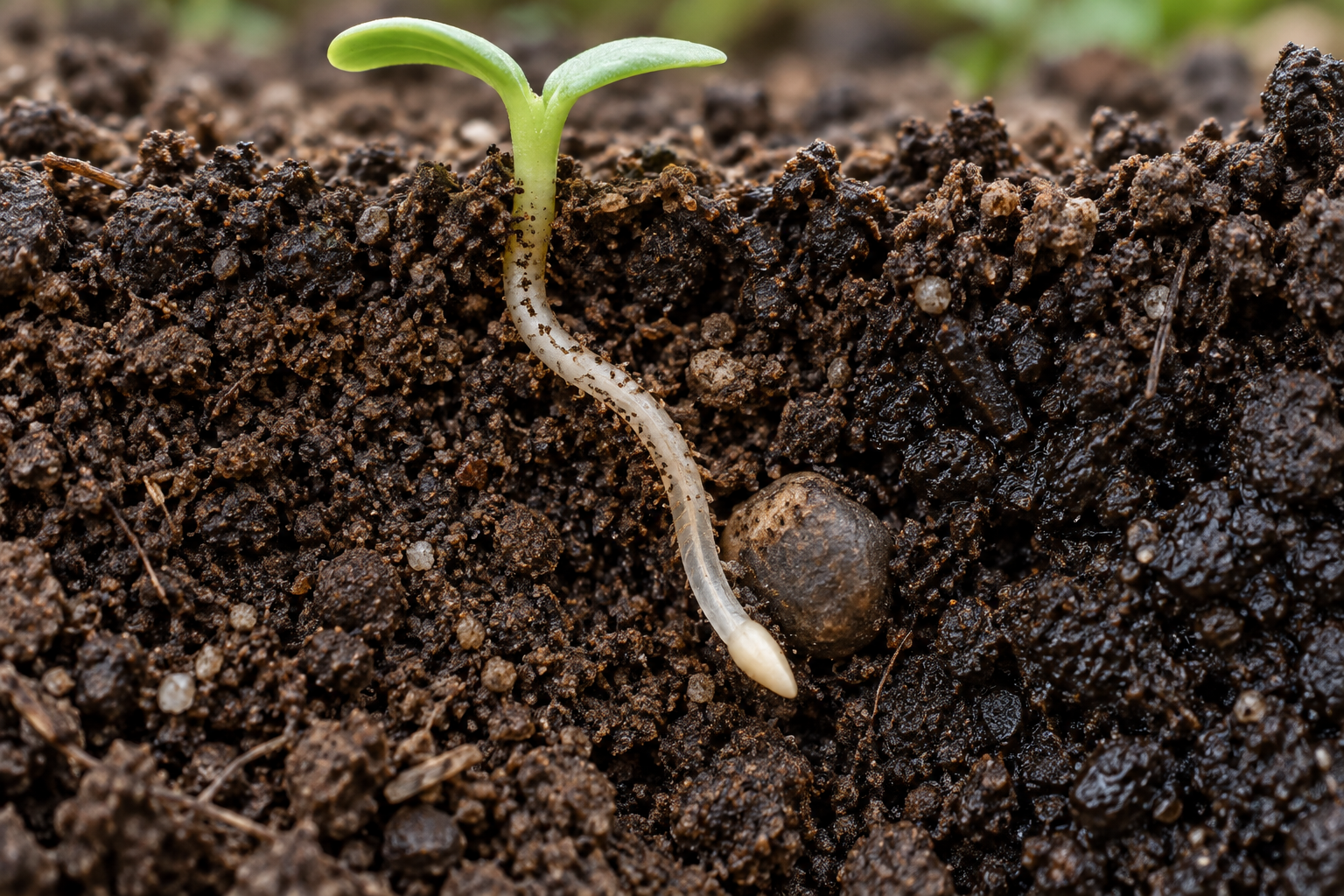
A growing root responds to gravity, water, obstacles and salt through different cells near its tip. The turn is made by unequal growth, not one all-purpose sensor.
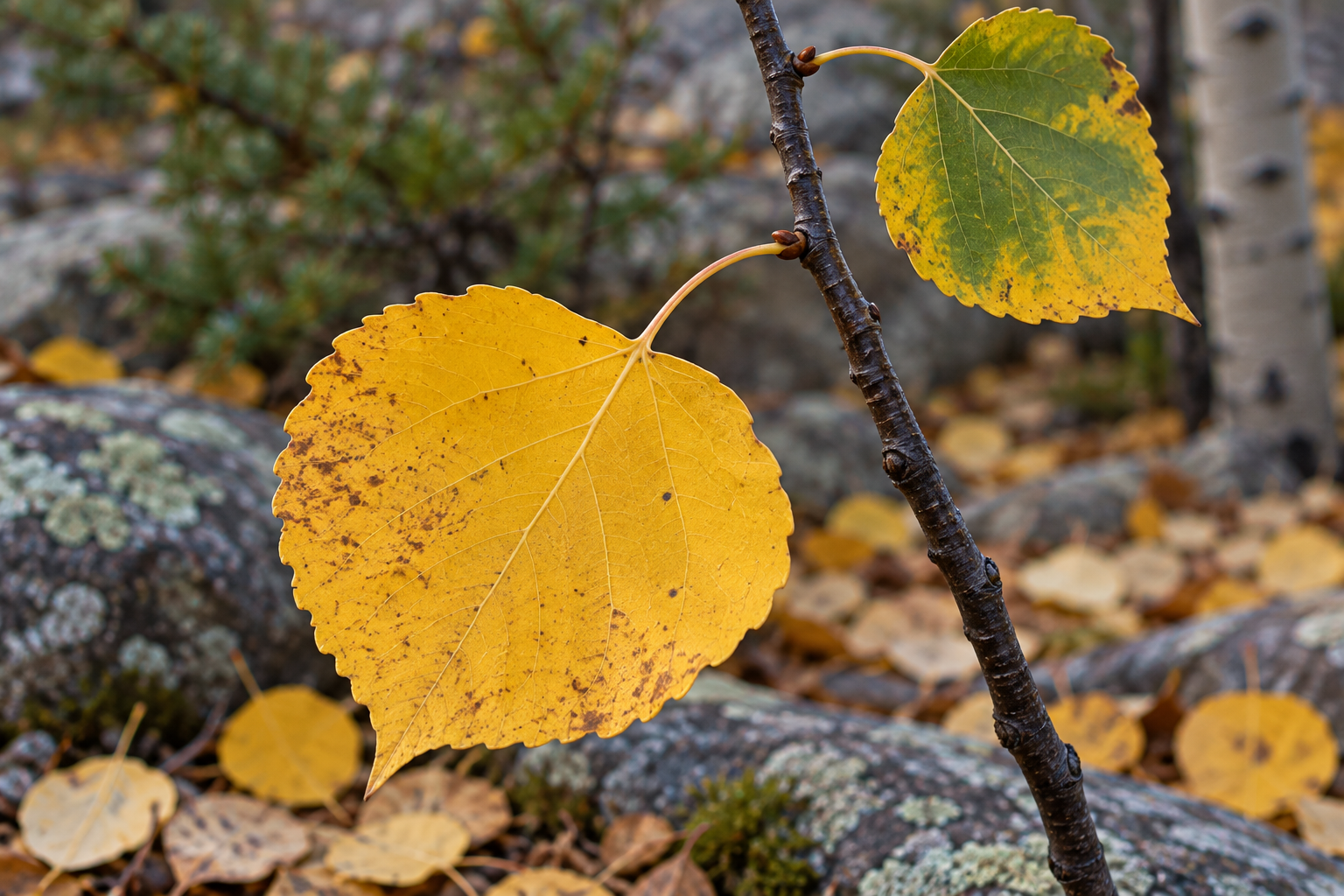
An autumn leaf changes color and loosens its grip on different clocks. Studies of sugar maple and aspen show why no single seasonal cue explains every falling leaf.
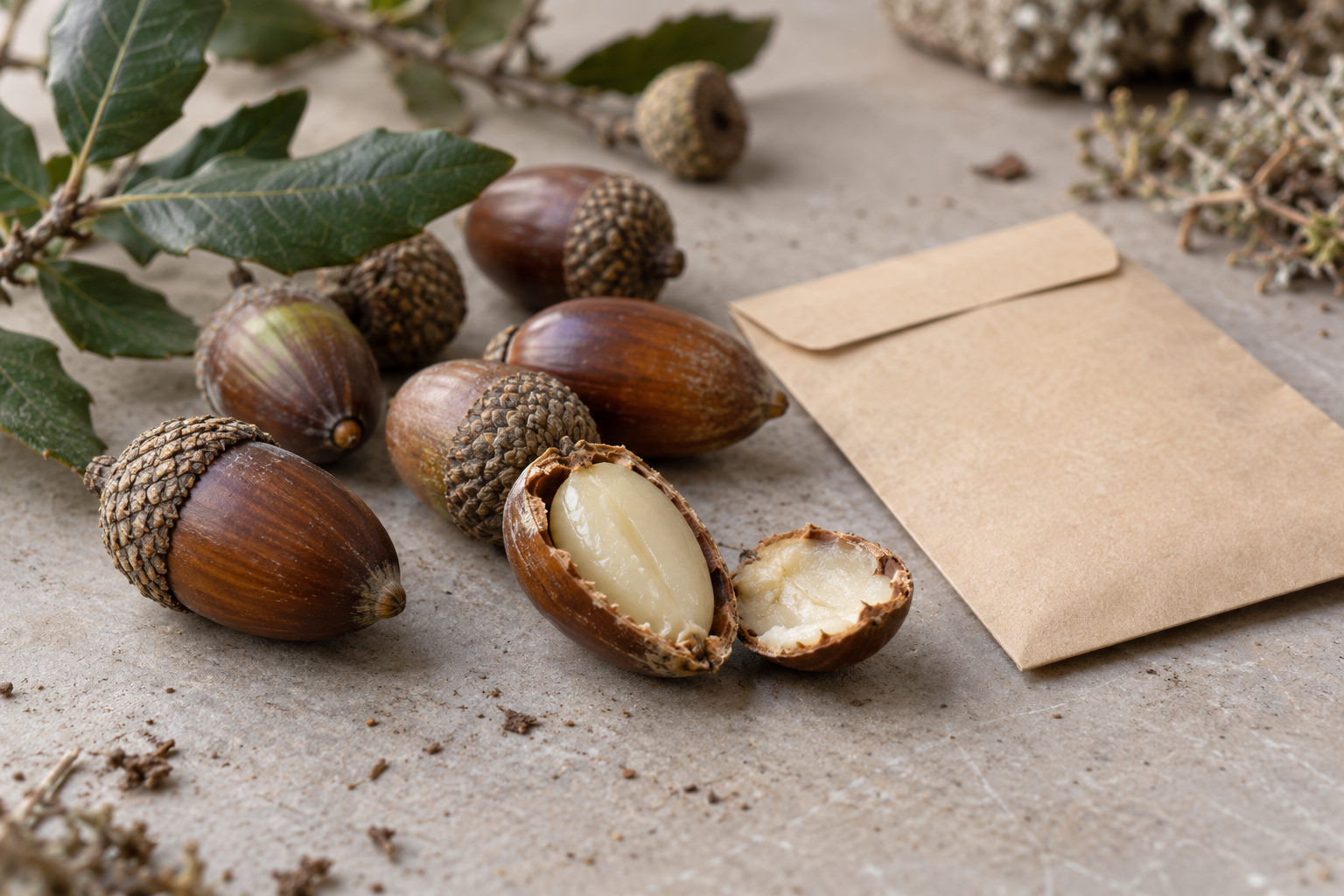
Drying lets many seeds survive a seed bank's −20°C freezer. Acorns lose viability when dried too far, yet can be injured by freezing while wet. Carefully prepared embryo tissue offers another route, with recovery still to prove.
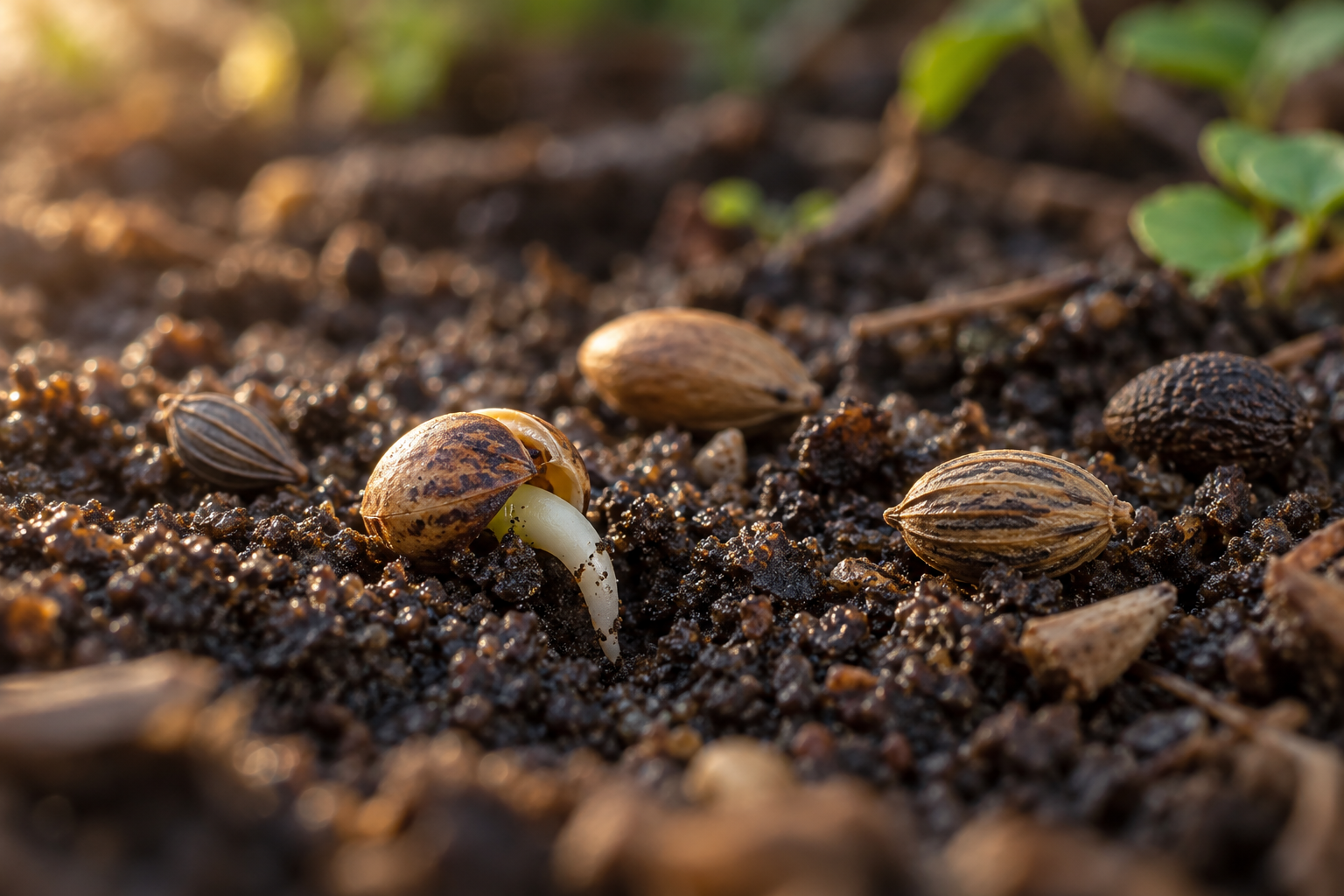
An unsprouted seed may be dead, or it may be reading a season. Seed coats, embryos and changing conditions make those two silences hard to tell apart.